
Integrating Oral Appliances and CPAP for Better Sleep‑Apnea Care
Why a Combined Approach Matters
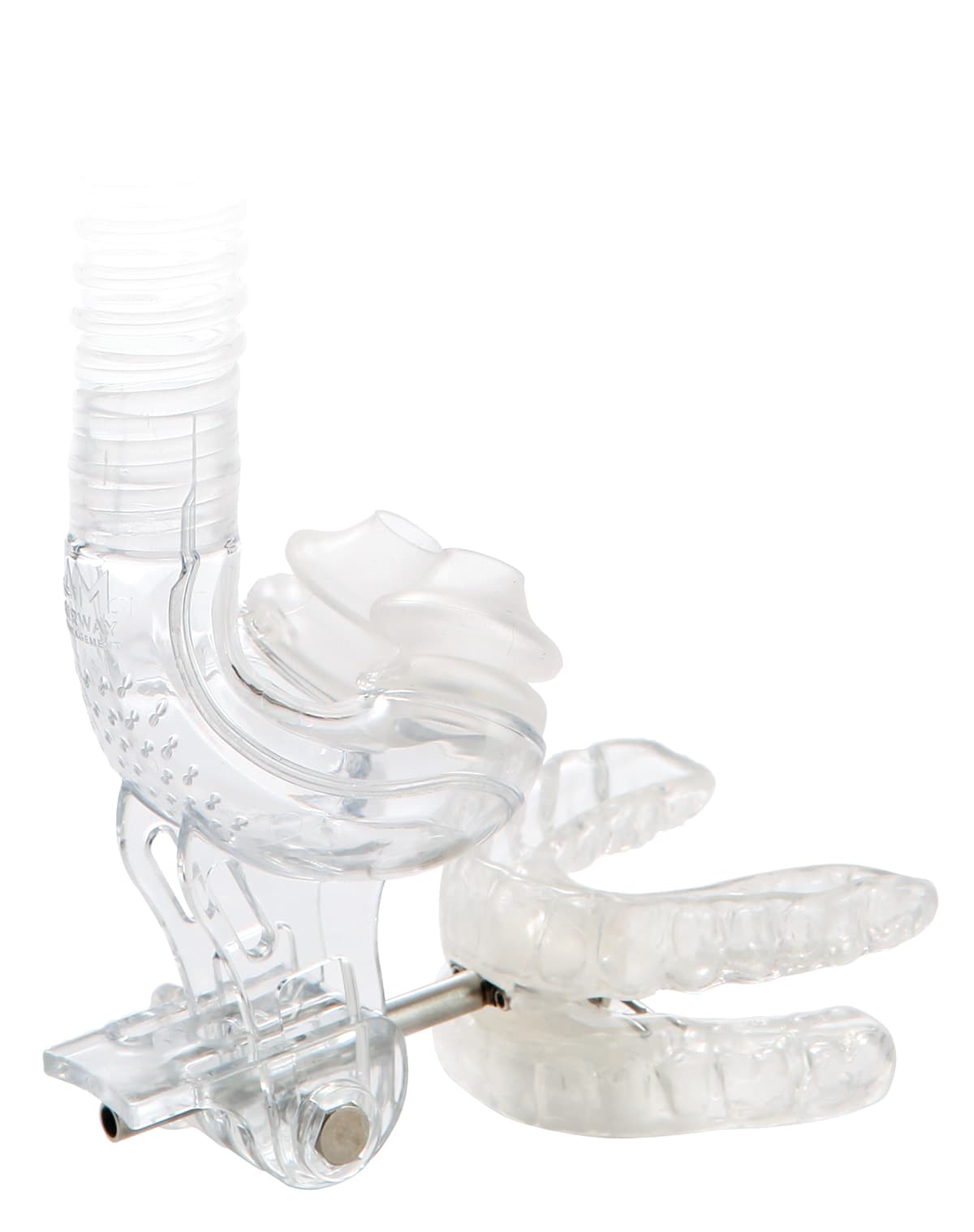
Continuous positive airway pressure (CPAP) is the gold standard for obstructive sleep‑apnea (OSA) therapy, yet many patients struggle with the mask or the pressure settings. Oral‑appliance therapy (OAT) is an excellent alternative, but in moderate‑to‑severe cases it can fall short on its own. Combination Therapy brings the two together, using a titratable oral appliance to advance the jaw while CPAP delivers positive pressure, to achieve results neither treatment may provide alone.
How the TAP‑PAP Interface Works
Our practice relies on the TAP‑PAP Interface, an adaptor that clips directly onto a custom oral appliance. By anchoring the nasal pillows to the appliance, it eliminates the need for a full face mask and the headgear most patients dislike. The interface also helps maintain a stable seal at lower CPAP pressures, improving comfort and adherence.
When We Recommend Combination Therapy
We turn to Combination Therapy when a single modality cannot fully control apneic events, often in patients with residual events on CPAP or persistent oxygen desaturations on OAT alone. The goal is straightforward: reduce the apnea–hypopnea index, improve oxygen saturation, and help patients feel rested again.
What Patients Can Expect
- Initial 45‑day treatment window
We supply a state‑of‑the‑art auto‑titrating CPAP unit during the first month and a half. During this period we fine‑tune both the appliance position and the CPAP pressure, using chip downloads and overnight oximetry to guide adjustments.
- Follow‑up calibration visits
Scheduled downloads and calibration appointments are essential; they confirm that the therapy is working and catch issues early. Missing visits can delay optimal settings and prolong symptoms.
- Home CPAP acquisition
Patients must arrange for their own CPAP unit through their physician before the 45‑day loan period ends. If the loaner unit is not returned on time, a monthly fee is applied until it comes back.
Insurance and Fees
Medical plans, including Medicare, do not currently cover Combination Therapy. The program carries a one‑time fee that covers the TAP‑PAP Interface, loaner CPAP, all downloads, titration studies, and consults during the initial 45 days. This fee is non‑refundable, and a credit card remains on file to cover potential late charges or equipment damage.
Protecting Your Health and Your Equipment
Using both therapies together delivers strong clinical benefits, but it also places extra responsibility on the patient. If you decide to pause CPAP while waiting for a personal unit, you accept the health risks of untreated OSA during that gap. Likewise, you are accountable for any damage to borrowed equipment and for purchasing new disposable items after the starter kit is depleted.
The Big Picture
Combination Therapy blends the airway‑stenting advantage of an oral appliance with the ventilatory support of CPAP. In practice, that means lower pressures, fewer leaks, and better symptom relief, even for patients who thought they had “failed” traditional CPAP. If you still feel tired despite treatment, talk with your sleep‑medicine team about whether this integrated approach could help you breathe, and sleep, easier.